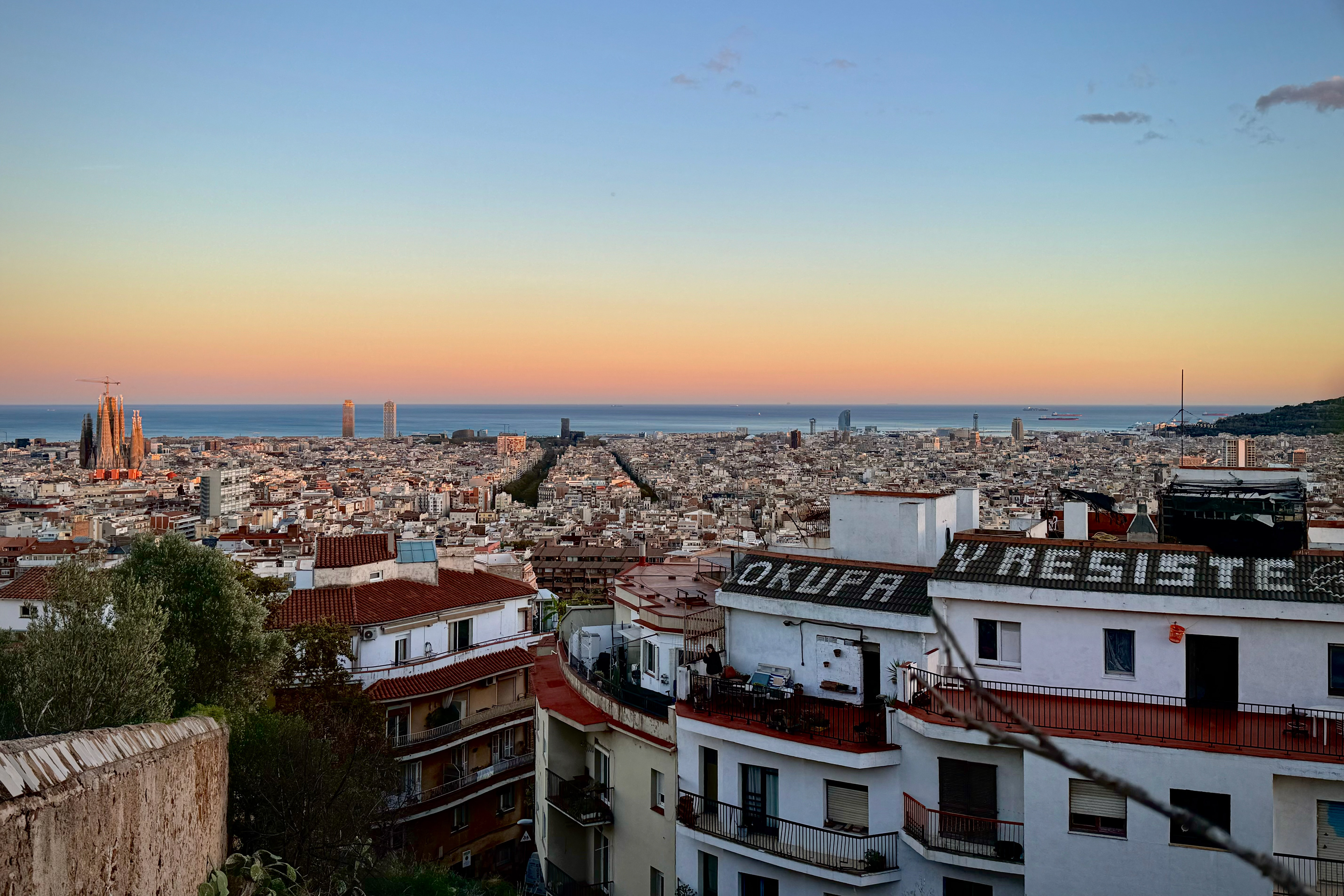
Barcelona, the capital of Catalonia, has undergone a remarkable transformation over the past few decades. Once a hidden gem cherished by locals, it now stands as a global tourism hotspot. But this rise in popularity comes with its own set of drawbacks.
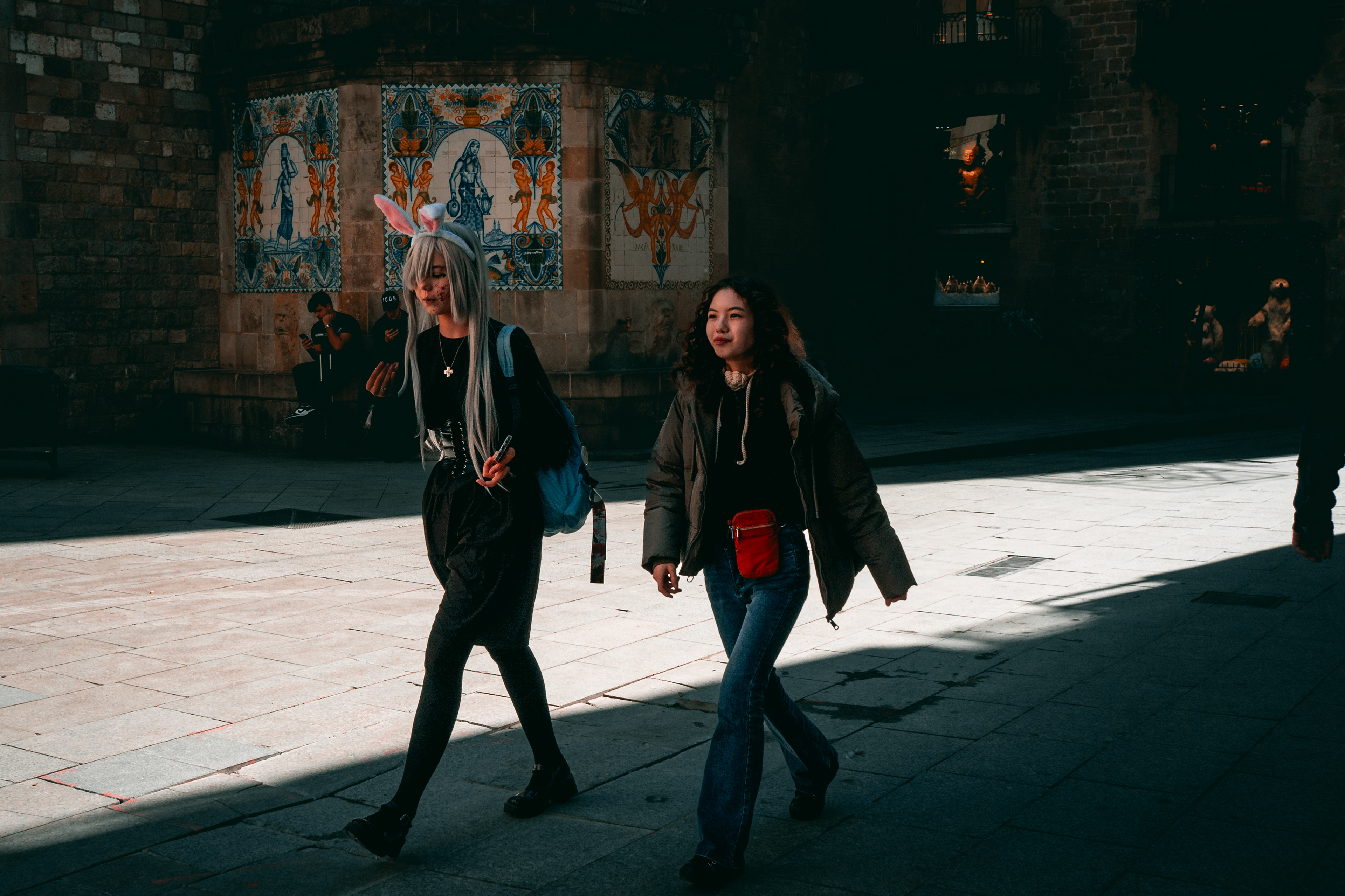
Gentrification: As tourists flood into historic neighbourhoods like the Barri Gòtic (Gothic Quarter) and El Raval, property prices soar. Longtime residents are pushed out, and traditional businesses give way to souvenir shops and Airbnb rentals.
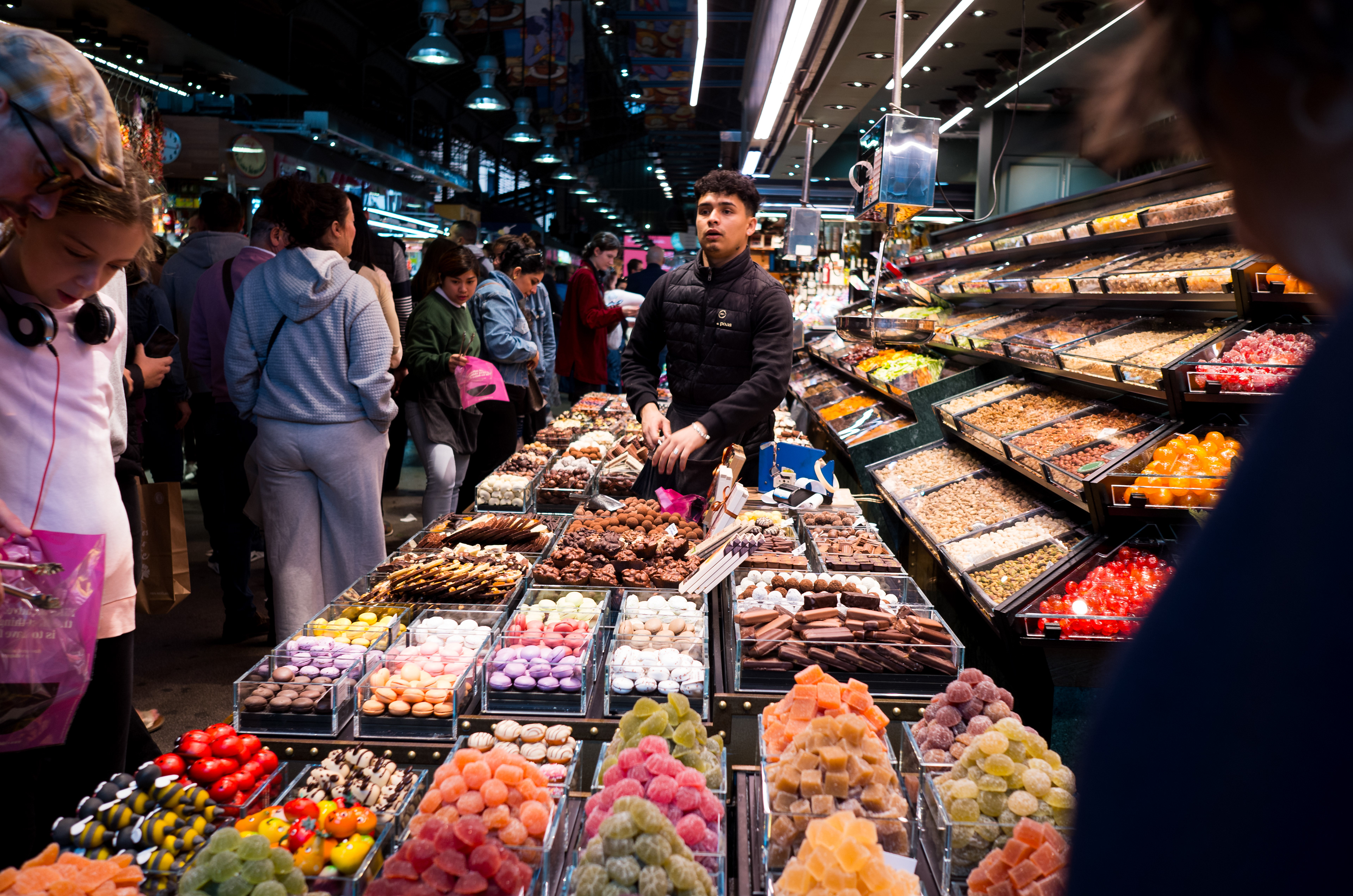
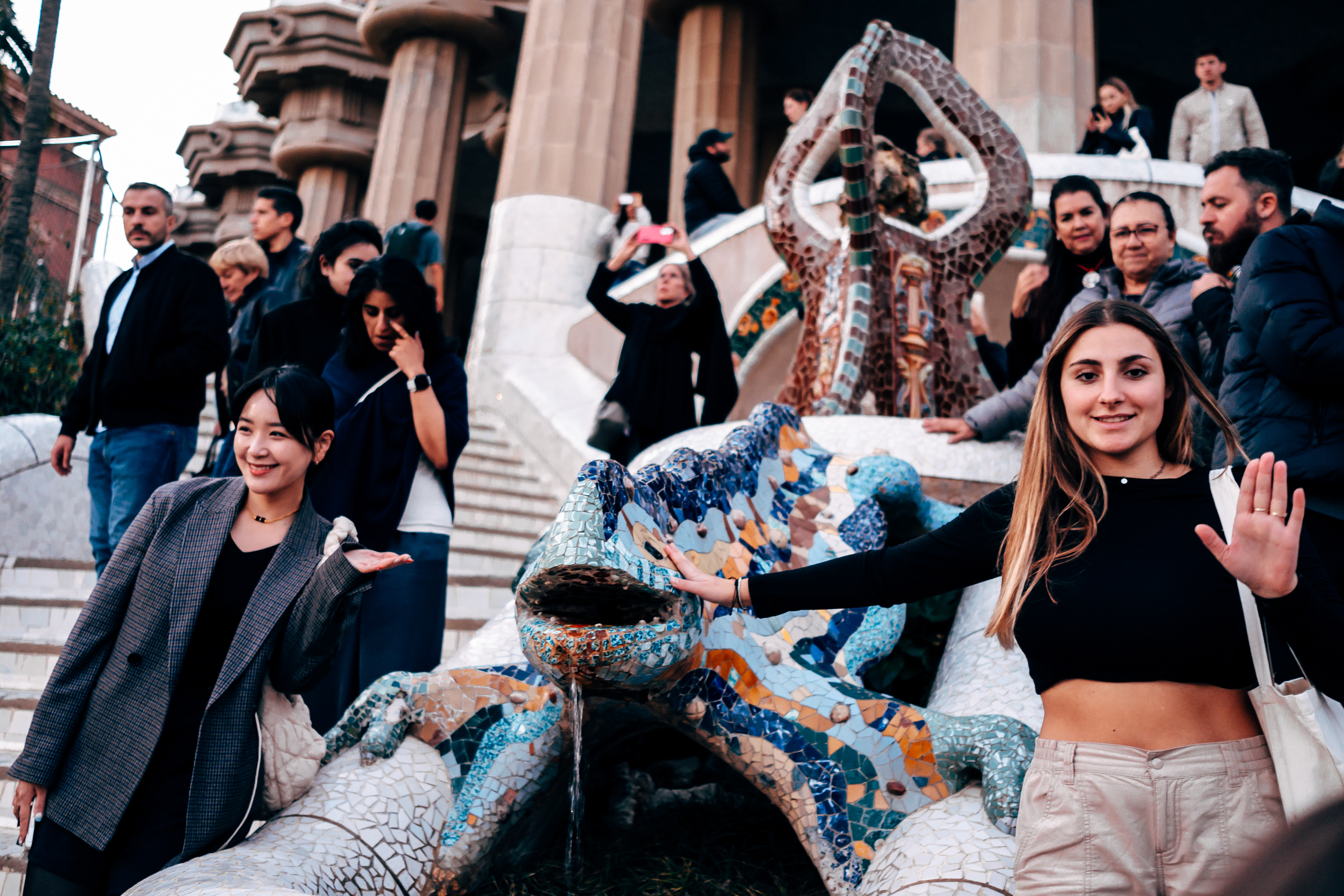
Crowded Streets: La Rambla, once a charming promenade, now resembles a bustling marketplace. The narrow alleys of the Barri Gòtic overflow with selfie sticks and tour groups.
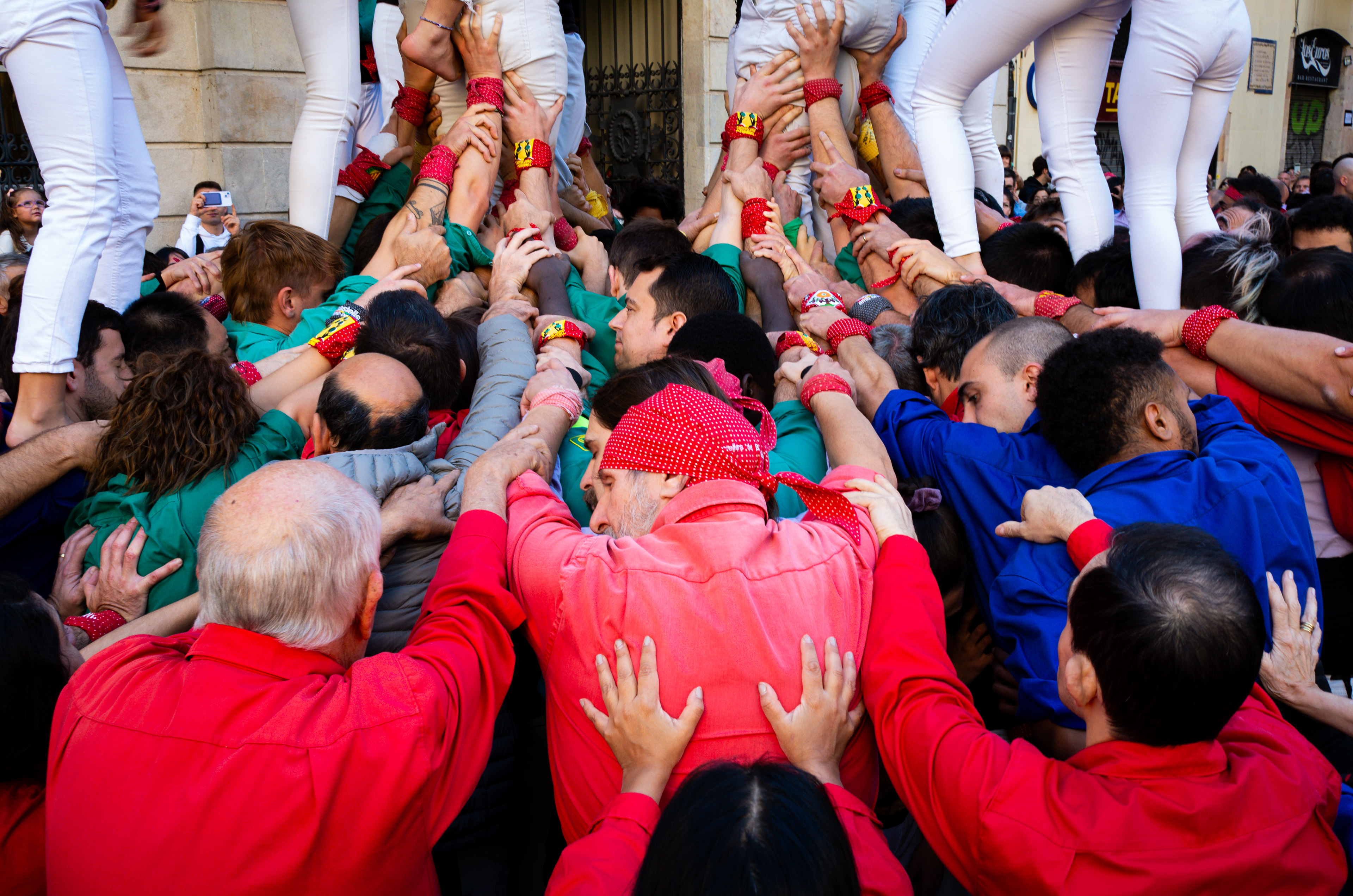
Identity Shift: Barcelona grapples with maintaining its authentic identity. As gentrification pushes its neighbours to the periphery, the city risks becoming disconnected from its own culture, language and traditions — its streets reduced, at times, to little more than postcard images.
Fortunately, more and more neighbours and associations are fighting against this model of urban tourism.